Table of Contents
ToggleLooking for back or neck pain relief in Southern Illinois? Learn how spinal decompression therapy can help reduce pressure, improve disc health, and support healing in Edwardsville, Maryville, and Highland IL.
Back pain and neck pain are among the most common reasons people seek care in the United States, and residents in Edwardsville, Maryville, and Highland IL are no exception. Whether it comes from long hours sitting, physical labor, poor posture, injury, or age-related degeneration, spinal pain can quickly affect mobility, sleep, and overall quality of life.
For individuals looking for a non-surgical alternative to pain management, spinal decompression therapy has become an increasingly popular option. This treatment focuses on relieving pressure within the spine and supporting the body’s natural healing process—without surgery or heavy medication.
What Is Spinal Decompression Therapy?
Spinal decompression therapy is a non-invasive treatment designed to gently stretch the spine in a controlled way. The goal is to reduce pressure on spinal discs and nerves, which can help relieve pain and improve function.
The therapy works by:
- Creating space between vertebrae
- Reducing pressure on compressed discs
- Promoting nutrient and oxygen flow to spinal tissues
- Supporting natural disc healing
Unlike traditional traction, modern spinal decompression uses precise, computer-controlled movements to target specific areas of the spine.
Common Causes of Back and Neck Pain
Many patients in Edwardsville, Maryville, and Highland IL experience spinal pain without a single clear injury. Instead, it develops over time due to daily habits and lifestyle factors.
Common causes include:
- Herniated or bulging discs
- Degenerative disc disease
- Sciatica
- Poor posture (especially from desk work)
- Repetitive lifting or strain
- Auto or sports injuries
- Spinal stenosis
When spinal discs become compressed or damaged, they can irritate nearby nerves, leading to pain, tingling, or weakness.
Symptoms That May Indicate Spinal Compression
Spinal issues don’t always start with severe pain. Early symptoms are often subtle and gradually worsen over time.
You may benefit from evaluation if you experience:
- Chronic lower back or neck pain
- Radiating pain into arms or legs
- Tingling or numbness
- Muscle weakness
- Pain that worsens with sitting or standing
- Reduced flexibility
- Stiffness in the spine
If left untreated, these symptoms may become more persistent and limiting.
How Spinal Decompression Helps the Spine Heal
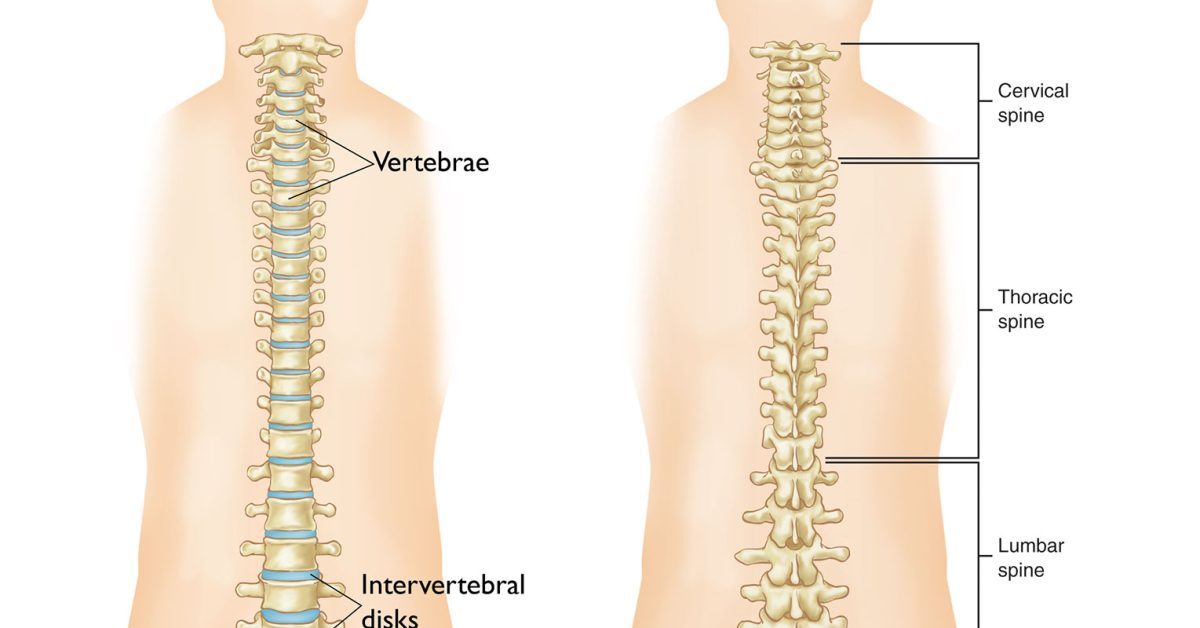
Spinal discs act as cushions between the bones of the spine. When these discs become compressed or damaged, they can bulge outward and press on nearby nerves.
Spinal decompression therapy helps by:
- Reducing pressure inside the disc
- Allowing bulging or herniated material to retract
- Increasing nutrient flow to damaged areas
- Improving hydration of spinal discs
- Promoting natural healing over time
This process helps restore balance and reduce irritation that causes pain.
Benefits of Spinal Decompression Therapy
Patients often seek spinal decompression because it offers a non-invasive alternative to surgery or long-term medication use.
Potential benefits include:
- Reduced back and neck pain
- Decreased nerve irritation
- Improved mobility and flexibility
- Better posture support
- Enhanced daily function
- Improved quality of sleep
Many patients report gradual improvement over multiple sessions, especially when combined with supportive therapies.
Who Can Benefit From Spinal Decompression?
Spinal decompression therapy may be helpful for individuals dealing with chronic or recurring spinal conditions.
It is often recommended for:
- Herniated or bulging discs
- Sciatica pain
- Chronic lower back pain
- Neck pain and stiffness
- Degenerative disc conditions
- Patients seeking non-surgical options
In Edwardsville, Maryville, and Highland IL, many patients choose decompression when other treatments have only provided temporary relief.
What to Expect During Treatment
At clinics such as Infinite Wellness, spinal decompression is typically part of a broader, individualized care plan.
A typical experience may include:
- Initial evaluation – reviewing symptoms, imaging (if available), and health history
- Positioning on decompression table – patient is comfortably secured
- Gentle stretching cycles – controlled traction applied to the spine
- Post-treatment recommendations – stretching, strengthening, or lifestyle guidance
Most patients describe the treatment as comfortable and relaxing rather than painful.
Why Spinal Decompression Is Different From Traditional Treatments
Traditional approaches to back pain often include:
- Pain medications
- Muscle relaxers
- Steroid injections
- Surgery in severe cases
While these may help manage symptoms, they do not always address the underlying mechanical pressure on the spine.
Spinal decompression focuses on:
- Restoring space in the spinal column
- Improving disc health
- Supporting long-term correction rather than temporary relief
This makes it a preferred option for many patients seeking conservative care.
Supporting Spinal Health at Home
Alongside professional treatment, daily habits play a major role in spinal health.
Helpful strategies include:
- Maintaining good posture while sitting and standing
- Taking frequent movement breaks
- Strengthening core muscles
- Staying hydrated to support disc health
- Avoiding prolonged sitting
- Using proper lifting techniques
These small changes can significantly improve long-term spinal function.
When to Seek Professional Help
You should consider evaluation if:
- Pain lasts longer than a few weeks
- Symptoms are worsening over time
- Pain interferes with sleep or work
- You experience numbness or radiating pain
- Conservative methods are no longer effective
Early intervention often leads to better outcomes and prevents further degeneration.
Final Thoughts
Spinal decompression therapy offers a non-surgical, drug-free approach to addressing chronic back and neck pain. By focusing on relieving pressure within the spine and supporting natural healing, it provides an alternative path for patients seeking long-term relief.
For individuals in Edwardsville, Maryville, and Highland IL, spinal decompression may be an effective option for restoring mobility, reducing pain, and improving overall quality of life.