Table of Contents
ToggleChiropractic Techniques for Effective Back Pain Relief in Collinsville
Chiropractic Techniques for Effective Back Pain Relief in Collinsville IL
Back pain is one of the most common and function-limiting conditions adults face, ranging from acute strains to chronic nerve compression syndromes, and effective non-surgical management depends on accurate diagnosis and targeted care. This article explains common causes of back pain seen in the Collinsville area, the mechanisms by which chiropractic techniques relieve pain without surgery, and how regenerative “healing medicine” can complement hands-on care. You will learn which conditions respond well to conservative treatment, how spinal decompression and personalized adjustments work, and practical prevention strategies including exercises and lifestyle changes tailored to local patients. The guide also outlines how Infinite Wellness integrates diagnostics and individualized plans to help people in Glen Carbon and Edwardsville, IL find drug-free, minimally invasive relief. Read on to understand causes, treatment mechanisms, prevention steps, and answers to frequently asked questions so you can make an informed choice about back pain treatment in Collinsville.
What Are the Common Causes and Conditions of Back Pain in Collinsville?
Back pain arises from a range of musculoskeletal and neurologic conditions that create structural strain, nerve irritation, or inflammatory responses in the spine. The primary mechanisms include disc displacement or degeneration that alters load distribution, narrowing of the spinal canal or foramina that compresses neural structures, and joint or soft-tissue dysfunction that generates local pain and referred symptoms. Recognizing the underlying cause—whether a herniated disc, degenerative disc disease, spinal stenosis, sciatica, or facet syndrome—guides whether conservative chiropractic care, decompression, or referral for advanced imaging is appropriate. Early assessment reduces the risk of chronic disability and supports quicker return to activity for Collinsville residents who prefer non-surgical options. Understanding these mechanisms prepares patients for targeted interventions that focus on alignment, decompression, and tissue healing.
Which Back Pain Conditions Does Chiropractic Care Treat?
Chiropractic care treats a spectrum of common spinal conditions using conservative, non-surgical approaches focused on alignment, nerve function, and soft-tissue balance. Herniated discs often respond to decompression and graded manual therapy when nerve irritation is intermittent and there are no red-flag signs, while degenerative disc disease can improve with stabilization, mobility restoration, and unloading strategies that reduce pain and improve function. Spinal stenosis and facet-related pain may benefit from targeted adjustments, traction-style therapies, and activity modification aimed at increasing walking tolerance and reducing mechanical irritation. Chiropractors also manage sciatica symptoms originating from disc or foraminal compression through nerve-gliding techniques and decompressive modalities. When cases require advanced imaging or surgical consultation, conservative care providers coordinate referrals to ensure patient safety and continuity of care.
How Do These Conditions Affect Your Daily Life and Mobility?
Back conditions commonly reduce function by limiting range of motion, causing pain with prolonged sitting or standing, and interrupting sleep and work productivity, which cumulatively erode quality of life. Patients with herniated discs often report sharp leg pain or numbness that limits walking and bending, while those with degenerative changes experience chronic stiffness that reduces participation in exercise and household tasks. Spinal stenosis can produce neurogenic claudication—pain or weakness after short walks—forcing activity modification and frequent rests. Left unaddressed, these functional limitations can lead to deconditioning, weight gain, and secondary joint stress, so early conservative intervention is vital to preserve daily mobility and prevent progressive disability.

How Does Chiropractic Care Provide Non-Surgical Back Pain Relief in Collinsville?
Chiropractic care provides non-surgical back pain relief by restoring spinal alignment, reducing mechanical stress on discs and nerves, and improving joint biomechanics through manual adjustments and supportive modalities. Personalized chiropractic adjustments aim to correct joint dysfunction and normalize nerve signaling, while spinal decompression therapy uses controlled traction to reduce intra-discal pressure and promote disc rehydration for selected candidates. Supportive therapies—such as soft-tissue work, targeted rehabilitative exercises, and ergonomic guidance—reinforce structural gains and speed return to activity. Safety emphasis includes careful diagnostics, red-flag screening, and progressive treatment plans tailored to each patient’s condition and tolerance, ensuring non-invasive options remain the first-line approach for appropriate Collinsville patients.
Chiropractic procedures compared by mechanism and expected session details:
| Procedure | Mechanism | Typical Session Length |
|---|---|---|
| Personalized Chiropractic Adjustments | Manual spinal manipulation restores joint motion and reduces nerve interference | 15–30 minutes |
| Spinal Decompression Therapy | Motorized traction reduces disc pressure and promotes nutrient exchange | 20–45 minutes |
| Healing Medicine Integration | Regenerative modalities support tissue repair and modulate inflammation | 20–40 minutes |
This comparison clarifies how distinct approaches target structural alignment, disc health, and tissue healing to produce non-surgical improvement in back pain.
Chiropractic care at a local clinic typically begins with a focused diagnostic evaluation, treatment planning, and a progressive schedule of visits designed to produce measurable improvement while minimizing invasive interventions. For Collinsville-area patients seeking a combined chiropractic and integrative approach, Infinite Wellness provides personalized adjustments and motorized decompression as part of a tailored care path overseen by experienced clinicians. If you are exploring a non-surgical plan, scheduling an evaluation allows for careful diagnostics and a customized plan that prioritizes minimally invasive options.
What Are Personalized Chiropractic Adjustments and Their Benefits?
Personalized chiropractic adjustments are hands-on techniques that restore joint mobility and alignment using targeted, patient-specific forces and positioning to reduce pain and improve function. These adjustments correct biomechanical restrictions in the spine, which can decrease nerve irritation and restore normal movement patterns that support daily activities. Patients typically experience immediate increases in range of motion, reduced muscle guarding, and progressive pain reduction across repeated sessions; treatment frequency is based on severity and response. Adjustments are paired with rehabilitative exercises and soft-tissue work to maintain gains and reduce recurrence risk, making them a cornerstone of non-surgical back pain management.
How Does Spinal Decompression Therapy Work for Back Pain Relief?
Spinal decompression therapy uses controlled mechanical traction to create intermittent negative pressure within an intervertebral disc, encouraging retraction of herniated material and enhancing fluid exchange that supports disc health. This physiologic effect can reduce nerve root compression and diminish inflammatory mediators around the injured disc, leading to decreased radicular pain and improved function for selected patients. Typical courses involve multiple sessions over several weeks, with progress monitored through symptom tracking and functional benchmarks. Candidates are screened for suitability, and combined care—decompression plus manual therapy and rehab—often yields the best functional outcomes without surgery.
What Role Does Healing Medicine Play in Back Pain Treatment at Infinite Wellness?
Healing medicine refers to regenerative and biologic approaches that support tissue repair and modulate inflammation when used alongside conservative spinal care. In the clinic context, healing medicine is applied selectively to augment the body’s natural repair mechanisms for conditions that have not fully responded to manual interventions alone. These approaches aim to improve tissue quality and resilience—reducing pain and enhancing response to rehabilitative therapies—while remaining non-surgical and minimally invasive. When combined with chiropractic alignment and decompression, healing medicine can shorten recovery timelines for appropriate candidates and help sustain functional gains.
Regenerative Medicine and Pain Management: PRP and MSCs for Low Back Pain
Low back pain affects at least 80% of individuals at some point in their lifetime and is the fifth most common reason for physician visits in the USA. Treatment of an acute episode of LBP generally includes rest, activity modification, physical therapy, NSAIDs, and patient education.
2. A small percentage of patients will develop chronic pain lasting > 6 months duration. Platelet-rich plasma (PRP) is one of the main pillars of regenerative medicine, as its release of bioactive proteins supports the aim of RM of restoring the anatomical function in degenerative conditions. Mesenchymal stem cells (MSCs) are multipotent stem cells, multipotent progenitor cells, or marrow stromal cells found in various body tissues, including bone marrow, lung, and adipose tissue. Evidence from well-designed case–control or cohort studies for the use of PRP and MSCs in lumbar facet joint, lumbar epidural, and sacroiliac joint injections is currently described as level IV evidence. PRP and MSCs are used autogenously to help facilitate the healing process, and their injection has been studied in the long-term management of discogenic low back pain. PRP has been compared to steroid injections in the sacroiliac joint for chronic low back pain, with favorable results. MSCs have also been shown to be useful in intervertebral disc regeneration and treatment of chronic low back pain associated with degenerative disc disease.
Regenerative medicine: pharmacological considerations and clinical role in pain management, AN Edinoff, 2022
Which Back Injuries Benefit Most from Healing Medicine?
Certain disc injuries and chronic degenerative changes that impede structural recovery may respond favorably to healing medicine when patients meet clinical selection criteria and conservative measures are insufficient. Examples include focal disc degeneration with persistent mechanical pain or patients with chronic tendon/ligament strain adjacent to spinal joints where regenerative support can enhance tissue repair. Selection emphasizes clinical presentation, imaging findings, and realistic outcome goals; not every patient is a candidate. When appropriately applied, healing medicine complements mechanical therapies and can help patients achieve greater pain relief and functional restoration without resorting to surgery.
How Does Healing Medicine Accelerate Natural Healing?
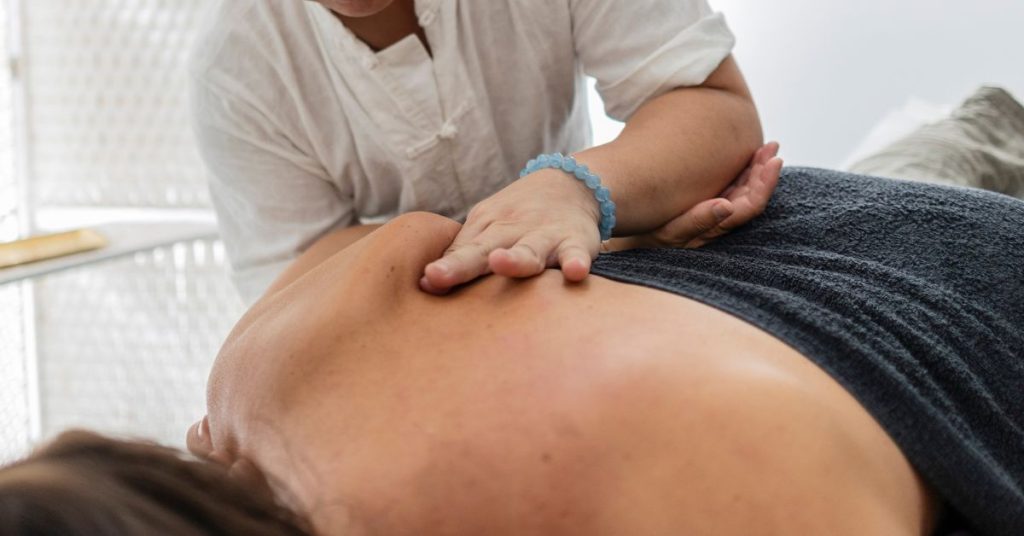
Healing medicine accelerates natural repair by delivering biologically active factors that modulate inflammation, stimulate cellular repair pathways, and enhance extracellular matrix remodeling in injured tissues. These mechanisms—such as promoting growth factor activity and supporting cellular recruitment—improve the local environment for healing and can reduce chronic inflammatory signals that perpetuate pain. In practice, regenerative therapies are integrated with chiropractic adjustments and rehabilitation so that improved tissue quality translates into better biomechanics and longer-lasting symptom relief. Careful patient selection and collaborative treatment planning ensure regenerative options support conservative, non-surgical recovery goals.
Why Choose Infinite Wellness for Your Back Pain Treatment in Collinsville?
Infinite Wellness focuses on non-surgical, minimally invasive chiropractic and integrative medical treatments for back pain, delivering care that emphasizes careful diagnostics, customized plans, and a patient-centered experience. The clinic serves patients from Glen Carbon and Edwardsville, IL, and positions combined chiropractic adjustments, spinal decompression, and healing medicine as a coordinated pathway to reduce pain and restore activity. Infinite Wellness prioritizes a five-star patient experience grounded in thorough assessment, evidence-informed modalities, and individualized progression through care. For Collinsville residents seeking a drug-free alternative that blends hands-on therapy with regenerative support, this integrated model provides a clear, conservative route toward pain relief and functional recovery.
What Makes Infinite Wellness’s Approach Unique and Effective?
Infinite Wellness couples manual chiropractic expertise with targeted decompression and selective healing medicine to create a multimodal, conservative care strategy for back pain. Core differentiators include thorough diagnostic screening, customized adjustment techniques tailored to the patient’s anatomy, and integration of regenerative options when clinically indicated to support tissue repair. This model emphasizes measurable functional goals, patient education for self-management, and coordinated progression through active rehabilitation phases. Together, these elements reduce reliance on medications and invasive procedures while maximizing the potential for a sustained return to normal activities.
How Have Patients Experienced Success with Our Chiropractic Care?
Patients at Infinite Wellness commonly report improved mobility, reduced pain intensity, and a faster return to daily activities when managed with an integrative, non-surgical plan that combines adjustments, decompression, and rehabilitation. Typical success stories describe progressive reductions in leg pain from sciatica, restored walking endurance for stenosis, and decreased frequency of flare-ups for degenerative conditions. The practice documents functional milestones and tailors follow-up care to maintain gains and prevent recurrence. Prospective patients are encouraged to schedule an evaluation to review individualized goals and a conservative treatment plan that prioritizes natural recovery.
What Are the Best Practices for Preventing and Managing Back Pain in Collinsville?
Preventing and managing back pain requires a blend of targeted exercise, ergonomic adaptation, and lifestyle measures that reduce mechanical stress on the spine and improve tissue resilience. Core stability, hip mobility, and hamstring flexibility form the foundation for durable spinal support, while regular movement and graduated strengthening prevent deconditioning that contributes to recurrence. A structured home program combined with periodic professional reassessment supports long-term outcomes and reduces reliance on episodic care. Local patients benefit from safer lifting practices, workstation adjustments, and consistent activity that fits daily routines in Collinsville.
A practical set of exercises that supports long-term back health follows; these are easy to learn and adapt.
- Pelvic Bridges: Strengthen glute and core muscles to support the lumbar spine.
- Bird-Dog: Improve lumbar stability and coordination through controlled contralateral movements.
- Kneeling Hip Flexor Stretch: Reduce anterior hip tightness that can overload the lumbar spine.
- Hamstring Neural Glides: Promote nerve mobility to reduce sciatica-related tension.
These exercises prioritize core control and flexibility, and practicing them regularly reduces mechanical stress on spinal structures while enhancing daily function.
| Exercise | Target Group | Frequency & Safety Notes |
|---|---|---|
| Pelvic Bridge | Glutes and posterior chain | 3 sets of 8–12 reps, avoid if acute sacroiliac pain |
| Bird-Dog | Lumbar stabilizers | 2–3 sets of 8–10 reps per side, progress slowly with balance aids |
| Hip Flexor Stretch | Hip flexors and pelvic tilt | Hold 30 seconds, 2–3 reps per side, avoid if hip replacement without clearance |
| Hamstring Neural Glide | Sciatic nerve mobility | 10–15 glides per session, stop if symptoms increase significantly |
Which Exercises and Stretches Support Long-Term Back Health?
Effective long-term maintenance relies on a mix of strengthening, mobility, and neural mobility exercises that work together to stabilize the spine and reduce recurrence. Core-focused movements like pelvic bridges and dead-bug variations build a supportive corset for the lumbar segments, while hip and hamstring stretches restore flexibility that often contributes to compensatory lumbar strain. Progressive loading and movement variety prevent plateaus and help patients return to sport or work activities safely. Regular reassessment ensures exercises remain appropriately challenging and do not exacerbate symptoms.
How Can Lifestyle Changes Reduce Back Pain Risk?
Lifestyle changes reduce back pain risk by correcting repetitive mechanical stresses and improving systemic factors that affect tissue health, including body weight, activity level, and smoking cessation. Ergonomic adjustments—such as optimizing chair support, altering screen height, and using frequent movement breaks—cut down cumulative spinal load during work hours. Consistent aerobic activity, weight management, and avoiding tobacco help maintain disc nutrition and tissue healing capacity. Implementing small, sustainable daily habits often yields the largest long-term benefit for those seeking to prevent recurrence.
Frequently Asked Questions
What should I expect during my first chiropractic visit for back pain?
During your first chiropractic visit, you can expect a comprehensive evaluation that includes a detailed medical history and a physical examination. The chiropractor will assess your posture, range of motion, and any areas of pain or discomfort. Based on this assessment, they will discuss potential treatment options tailored to your specific condition. This initial visit is crucial for developing a personalized care plan aimed at addressing your back pain effectively.
How often should I see a chiropractor for back pain relief?
The frequency of chiropractic visits for back pain relief varies based on individual needs and the severity of the condition. Initially, many patients may benefit from more frequent visits, such as 1-3 times per week, to establish a treatment foundation. As symptoms improve, the frequency may decrease to bi-weekly or monthly sessions for maintenance. Your chiropractor will work with you to create a schedule that aligns with your recovery goals and lifestyle.
Can chiropractic care help with stress-related back pain?
Yes, chiropractic care can be beneficial for stress-related back pain. Stress often leads to muscle tension and poor posture, which can exacerbate back pain. Chiropractors use adjustments and soft tissue therapies to relieve tension, improve spinal alignment, and enhance overall function. Additionally, they may provide advice on stress management techniques, such as relaxation exercises and ergonomic adjustments, to help reduce the impact of stress on your back health.
Are there any risks associated with chiropractic adjustments?
Chiropractic adjustments are generally safe when performed by a qualified practitioner. However, as with any medical treatment, there are potential risks, including temporary soreness, stiffness, or discomfort following an adjustment. Rarely, more serious complications can occur, such as nerve injury or stroke, particularly in patients with certain pre-existing conditions. It’s essential to discuss your medical history with your chiropractor to ensure a safe and effective treatment plan.
How can I maintain the benefits of chiropractic care at home?
To maintain the benefits of chiropractic care at home, it’s important to incorporate recommended exercises and stretches into your daily routine. Focus on strengthening your core, improving flexibility, and practicing good posture. Additionally, consider ergonomic adjustments to your workspace and daily activities to reduce strain on your back. Regular physical activity, a balanced diet, and adequate hydration also support overall spinal health and can help prevent the recurrence of pain.
What lifestyle changes can help prevent back pain?
Preventing back pain often involves making several lifestyle changes. Maintaining a healthy weight reduces stress on the spine, while regular exercise strengthens the muscles that support your back. Practicing good posture, especially when sitting or lifting, is crucial. Additionally, incorporating flexibility and strength training into your routine can enhance spinal stability. Avoiding prolonged periods of inactivity and managing stress through relaxation techniques can also contribute to long-term back health.
What Are the Best Non-Surgical Treatments for Chronic Back Pain?
Non-surgical options include manual chiropractic adjustments, spinal decompression, rehabilitative exercise, and, when appropriate, regenerative healing medicine to support tissue repair. Each modality targets different mechanisms—alignment, unloading, strengthening, and biological recovery—so a combined, staged approach often yields better outcomes than any single treatment alone. Multidisciplinary cooperation with physical therapists or pain specialists may be recommended for complex or persistent cases. Choosing the right path begins with accurate diagnosis and patient-specific goal setting.
How Long Does It Take to Experience Relief from Chiropractic Adjustments?
Relief timelines vary: some patients report immediate reduction in pain and stiffness after an adjustment, while others experience gradual improvement across multiple sessions as inflammation decreases and movement patterns normalize. Factors influencing response include the chronicity of the condition, overall fitness, adherence to prescribed exercises, and presence of degenerative changes. Clinicians typically set short-term functional goals and adjust frequency based on patient response, with many cases showing meaningful improvement within 4–8 weeks when combined with active rehabilitation.
Is Spinal Decompression Therapy Safe and Effective for Herniated Discs?
Spinal decompression is considered safe and can be effective for selected patients with herniated discs causing nerve irritation, provided proper screening excludes contraindications and treatment is delivered within a comprehensive conservative plan. Evidence indicates mechanical unloading can reduce disc pressure and radicular symptoms in appropriately chosen cases, especially when combined with manual therapy and exercise. A qualified clinician will assess imaging, symptoms, and medical history to confirm candidacy and to monitor progress and safety throughout treatment.
- Next steps for Collinsville residents: If you experience persistent or progressive back pain, arrange a diagnostic evaluation to determine whether non-surgical chiropractic care, spinal decompression, or healing medicine is the right course.
- When to seek urgent care: Sudden severe weakness, loss of bowel or bladder control, or rapidly progressive neurological decline requires immediate medical attention and is beyond the scope of conservative outpatient care.
- Ongoing management: After initial improvement, a maintenance plan combining periodic check-ins, targeted exercise, and ergonomic strategies supports lasting function.
These practical steps help readers translate information into action and determine when specialist assessment is necessary.
- Consider an evaluation: For persistent back pain, a focused assessment clarifies underlying causes and conservative options.
- Adopt a home program: Implement prescribed stability and flexibility exercises consistently to support clinical gains.
- Monitor progress: Use functional benchmarks—walking distance, sleep quality, and activity tolerance—to gauge improvement.
These action items lead naturally from the FAQ answers to a concrete pathway toward non-surgical relief in Collinsville, while encouraging timely professional assessment when indicated.